

At the end of March, Martin Sellner publicly announces how he intends to get hold of patriots' contacts and money: through petitions and lead magnets. Two months later the Save Europe Act goes online, as a supposed European Citizens' Initiative.
The "Save Europe Act" of the two right-wing influencers makes its supporters believe they are signing a European Citizens' Initiative. According to the organisers, the aim is to generate money and the email addresses of potential donors, and to damage trust in the European institutions.
As of 26 November 2026
At the end of March, Martin Sellner publicly announces how he intends to get hold of patriots' contacts and money: through petitions and lead magnets. Two months later the Save Europe Act goes online, as a supposed European Citizens' Initiative.
Two months before the launch, Martin Sellner explains on his English-language Telegram channel, in 33 minutes of voice recording, how to finance and build a political movement. First it is about data, he says openly:
"Data is the oil of our century. What you need is a full-fledged CRM, a customer relationship management system, a contact database of these people. You need to get their contacts."
The way to these contacts:
"It's quite easy. You start petitions. You create lead magnets."
The result:
"Some very good petitions, some online campaigns, some viral campaigns together with influencers […] and very quickly you're gonna gather all this money, all this attention, all the people will flock to you."
Full voice message and sources
Method and goal are publicly set in advance: contacts and money, collected through petitions. Here the petition is a lead magnet in the marketing sense, not a political tool and not a democratic one.

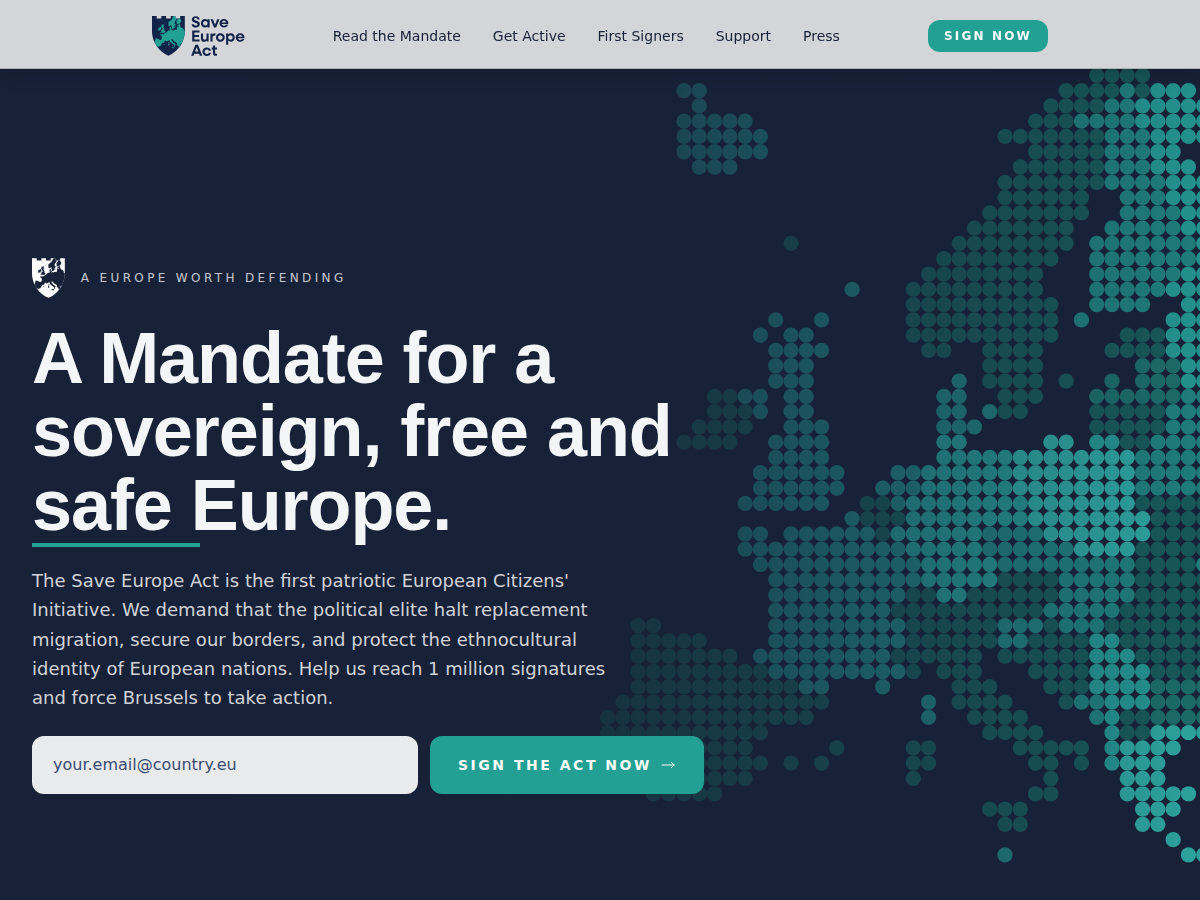
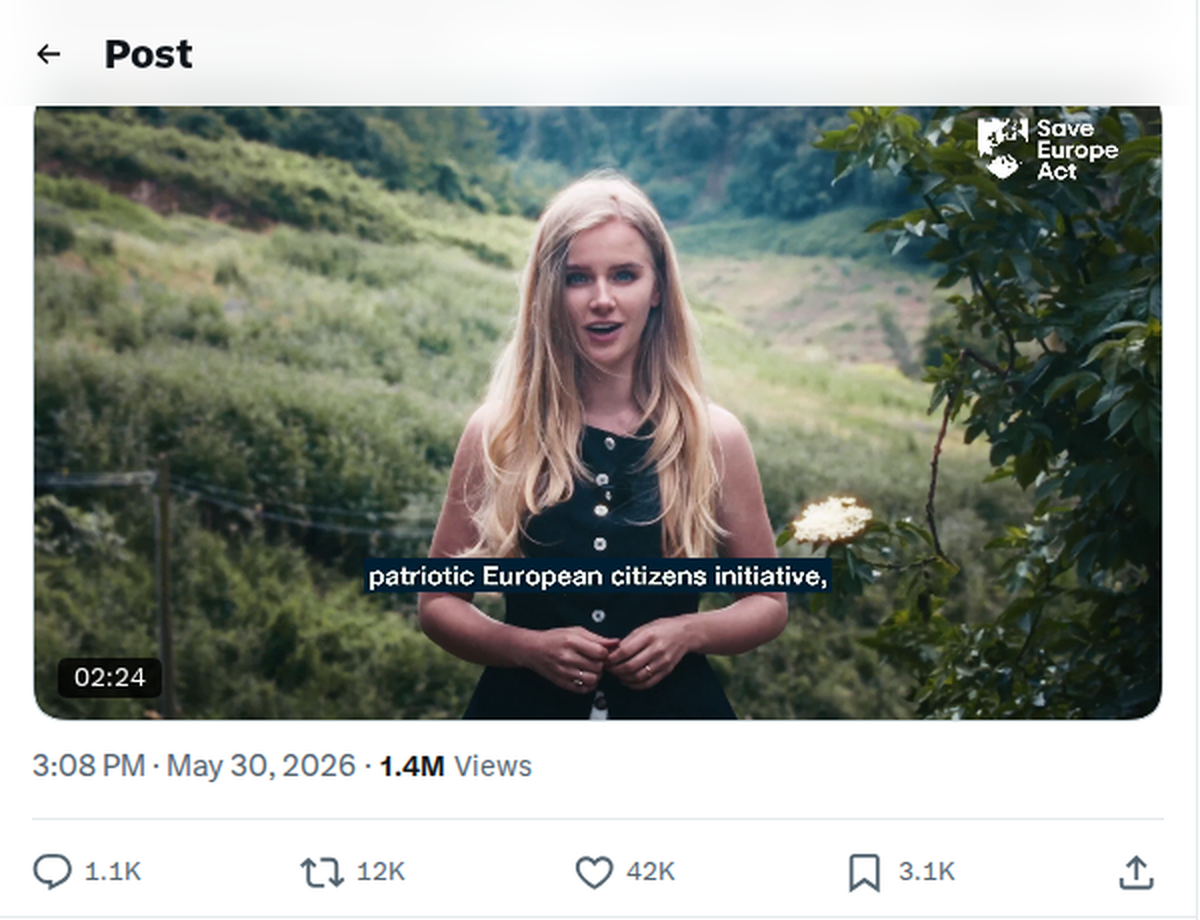
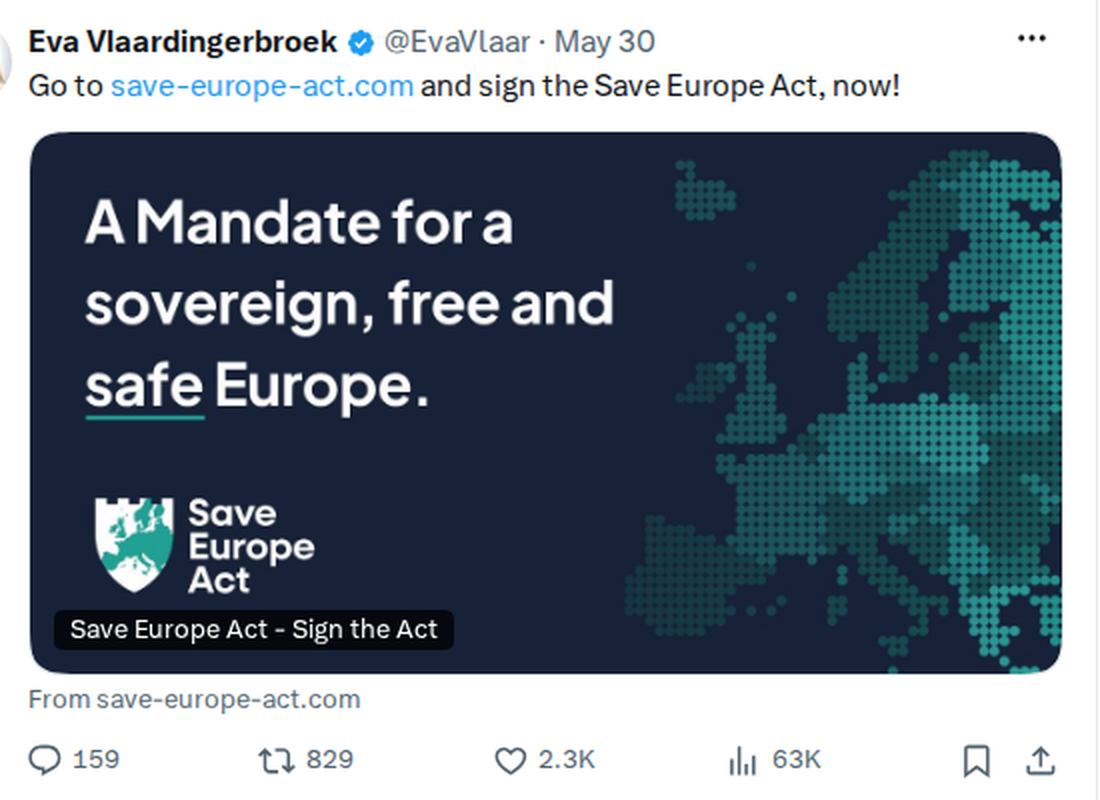
On the entire home page there were exactly two places suggesting something else. Both were small print:
Against this, in large type, stood the headline, the counter, "Sign the Act" and the video with 1.4 million views. The word "newsletter" appeared nowhere.
Apart from two small notices, the whole campaign gave the impression of a real European Citizens' Initiative that you can sign. Over 100,000 people signed, many donated. Here they were lied to, even defrauded.
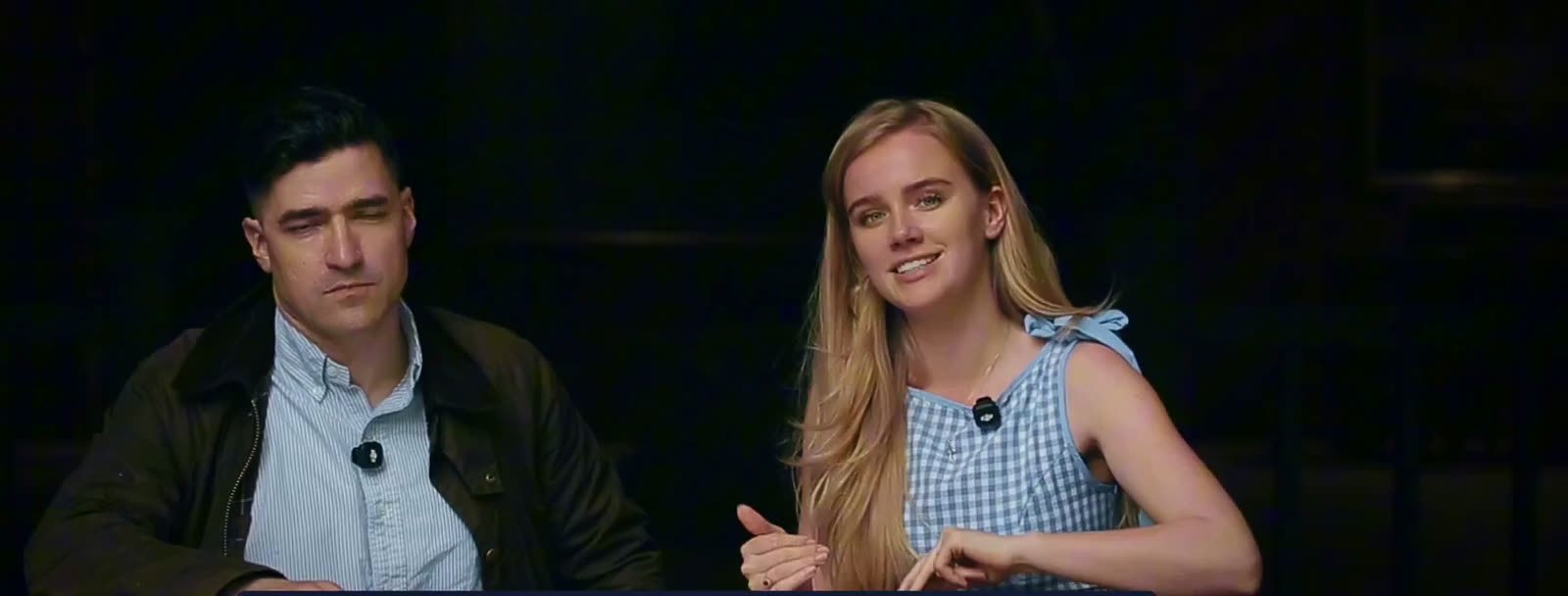
After the open deception of the first days, the messages slowly move closer to reality. Each step is quieter than the launch.
Sellner and Vlaardingerbroek explain in a video why they collect email addresses first. Around 66,485 views.
Original audio, Vlaardingerbroek, 2 June: "So that's why we're asking you to sign with your email address on our website first."
Clarification on X. Around 14,200 views. The launch post had 1.4 million.
Sellner on Telegram, in German: „Kampagnenseite … nicht die offizielle Seite des ECI. Die haben wir selber gebaut und zwischengeschalten." ("Campaign page … not the official page of the ECI. We built it ourselves and put it in between.")
Original audio, Sellner, Telegram 19 June.
Already on 6 June they claim this was always clear:
"We have made this clear from the beginning, but to avoid any confusion we'd like to reiterate: the Save Europe Act campaign page is not yet the official European Citizens' Initiative signature page."
@SaveEuropeAct on X, 6 June 2026.
This is where the rhetorical shield of deniability is created. It serves only their own protection, so that they can later say they were clear from the start. In fact, however, they lied at the beginning.
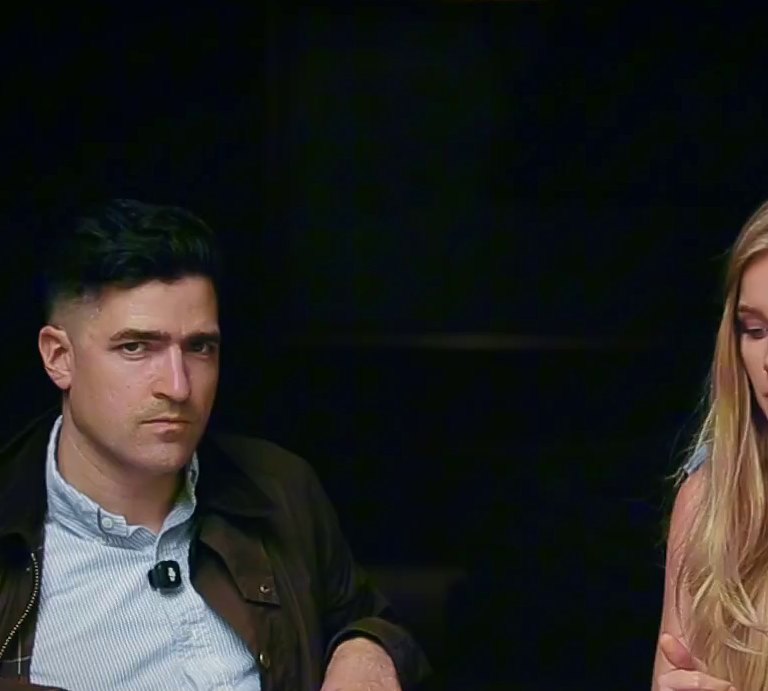
They prepared for the case of rejection. Their site's FAQ says today:
"We anticipated the EU’s anti-democratic actions."
The real application was submitted. We may assume they wanted it to fail: after the rejection, Sellner says everything is going "according to plan". In the FAQ they announce that a rejection shows the EU is undemocratic. The whole thing had been planned since March as a marketing campaign, not as a real citizens' initiative. There is no reason to believe they wrote the text so that it could be accepted.
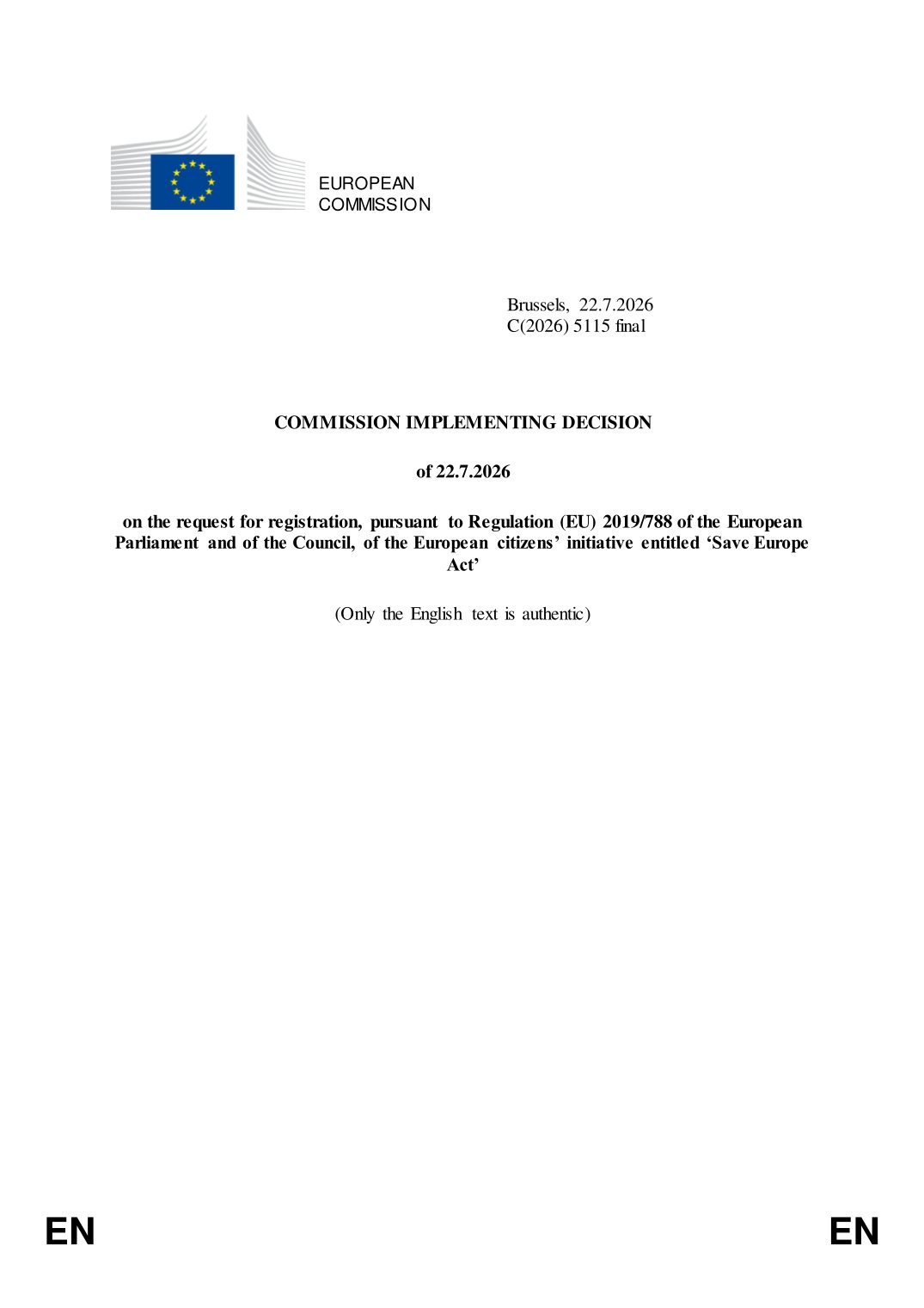
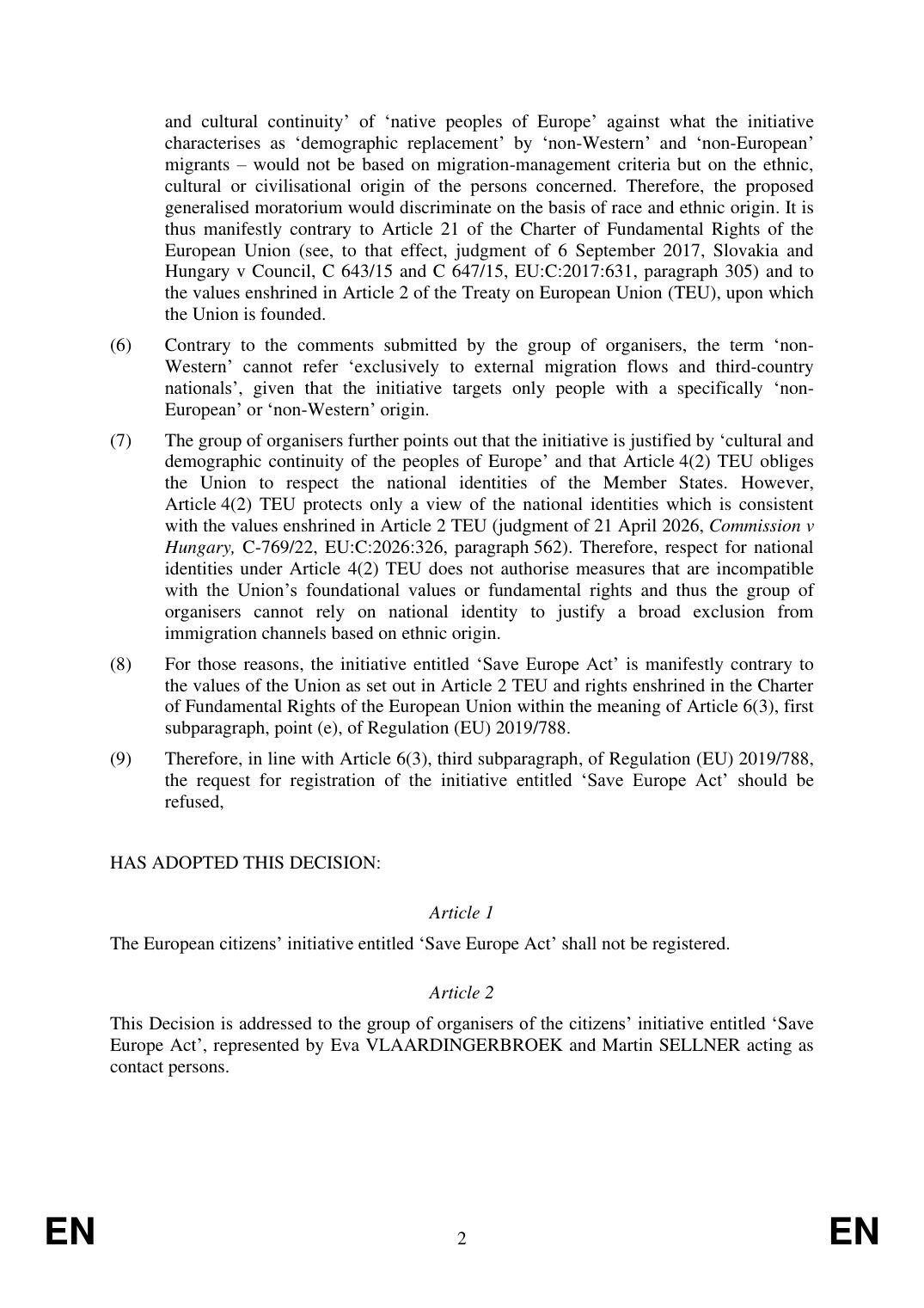
The lawsuit continues the attempt to delegitimise the EU's institutions and to keep deceiving the public. There is no reason to assume that the organisers will, of their own accord, tell a court the truth: that they ran their campaign from the very start as a fraud on their own followers. In the FAQ, on the other hand, they admit their real goal: eroding trust in the EU institutions.
"If we reach one million within a year, the EU’s decision will be exposed as wholly anti-democratic, and public pressure on the courts will increase."
Early on, the FAQ already said what the organisers want: the EU is to expose itself as "undemocratic" by rejecting the application. That application was designed from the outset to be rejected (Sellner on the rejection: "Everything is going according to plan"), in order to drown out the original deception of their own followers and to destroy trust in the EU.

Six days after the Commission's preliminary assessment, Vlaardingerbroek says:
"We aren't naive. We saw this coming. That's why we created our very own infrastructure. And so now we have a plan. We are one step ahead of them. When they really do reject our proposal, we have our next step ready."
She says she saw the rejection coming and therefore built their own infrastructure. That is a pretext: Sellner himself announced the true intention as early as 30 March: to collect contacts and money. At the same time, however, Vlaardingerbroek here already admits that the rejection was factored in.
After the rejection she says the same thing again, in the livestream with Sellner:
"And of course we saw this coming, right? … So it wasn't a surprise. We were prepared. We are prepared."
Sellner describes it the same way in September in Sezession: „eigene digitale Infrastruktur" ("own digital infrastructure"), to collect their own signatures „bereits vor der offiziellen Annahme" ("already before the official acceptance"). And: „Das war von Anfang an Teil des Planes." ("That was part of the plan from the beginning.")
Vlaardingerbroek admits in part that the rejection was factored in. Her justification for their own infrastructure is a pretext, because Sellner announced it in March, to collect contacts and money.
Then Sellner goes one step further.
Sources
On the evening of the rejection, Sellner speaks in a campaign video:
"Everything is going according to plan and this is a beginning, not an end."
The campaign account writes the same evening: "Our legal team is on the case. Now we need your support more than ever. Sign, join, get active." Vlaardingerbroek: "See you in court."
From here on, the fraud changes. It has three phases:
What they always leave out: how they won their first 100,000 "signatories", namely with the false (fraudulent) impression of signing a real citizens' initiative.
Here the campaign drops the mask. The rejection of the initiative was the plan, because it was never about a citizens' initiative, but about two things: defrauding their own followers to get their contact details and their money, and creating the impression among the public of an undemocratic EU decision.
"We are planning a European Citizens' Initiative. It may fail, because we consider the EU undemocratic. It may reject us. That is why we are already building our own infrastructure, with an email newsletter and a donation page that you can support if you want. Only later, if the registration succeeds or we win in court against the EU, will you sign a real citizens' initiative as an EU citizen, with your ID."
But instead of the truth, they told their own followers and the public nothing but lies, to gain money and influence. It is one big fraud campaign.
The campaign shows these 42 people as supporters on its home page, with photo, name and position, just as here. As of 26 November 2026. It is unclear which of those involved have been informed, and how far, that this is a fraud campaign advertising with their faces.










































With their deceptive campaign, the organisers have taken in a total of at least 150,000 euros since the launch.
Total, read on 26 Nov 2026. Recipient: Hermes Medienförderung e.V., Chemnitz. 968 donations. Monthly goal €5,000, of which €3,794 in this month alone.
At the end of July the same page stood at €15,191. The difference came after the Commission had refused registration. The page does not mention it. It still says today: "Once the Save Europe Act is formally registered as a European Citizens' Initiative…"
Sum of the public donor lists on 43 open Donorbox pages of the campaign, our retrieval on 26 Nov 2026. Account holder: the French association Centre Européen de Recherches en Sciences Humaines et Religieuses, Paris. Donations without a visible amount count as 0, so this is a lower bound. On 23 Jul 2026 it was €47,573. It still says: "More than 750,000 patriots have already signed".
The two harshest public verdicts come from the campaign's own political milieu, months before any newsroom took a look.
„Der ‚Save Eurpe Act' ist ein großer Scam. […] eine Internetkampagne als europäische Bürgerinitiative verkauft (die es aber nicht gibt und nicht geben wird), um einen riesigen Emailverteiler für Patriotenspam zu erstellen."
("The 'Save Eurpe Act' is a big scam. […] an internet campaign sold as a European citizens' initiative (which does not exist and will not exist) in order to build a huge email list for patriot spam.") The typo "Eurpe" is in the original.
"An internet campaign to collect email addresses for a European Citizens' Initiative that doesn't exist […] This bait-and-switch conducted to build a massive mailing list for manipulative overdramatic AI-laden dono appeals. (Before you get to the fine print the website heavily implies you're signing an actual petition.)"
Quoted in the original English.
What we do not claim.
Send these emails to the companies whose systems the campaign's money, data and emails run through.
These are drafts. Check the details against the sources at the bottom of this page before you send anything in your own name.
All evidence, sorted by station, with archive copies.